Drainage Basics for Effective Interlocking Driveway Paving Installment
Water writes the guidelines for every hardscape. If you respect it, an interlocking driveway really feels solid, drains pipes cleanly, and stays attractive for years. Ignore it, and even premium pavers can rattle, settle, or expand a hair layer of algae. I have restored much more unsuccessful driveways because of water than for any kind of various other single factor, and most of those failings were preventable with a few very early decisions.
Why drain drives durability
Interlocking systems are successful because each element shares the load with its next-door neighbors. That just functions when the aggregate base stays stable and completely dry sufficient to maintain rubbing. When drainage concentrates along a reduced place or bedding sand becomes a conduit for groundwater, the system loses bearing ability. Frost locates its method right into damp base and raises it in winter months, after that drops it unevenly throughout thaw. Also in warm environments, saturated subgrade pumps fine fragments into the base with every lorry pass, triggering dips and ruts.
Good drainage guards the subgrade from saturation, guides surface water away before it can stick around, and provides trapped water a regulated course to exit. A sturdy Driveway Paving Setup is, at its core, a controlled hydrology job disguised as a good-looking set of pavers.
Read the site initially, not the catalog
Before a shovel hits the ground, spend time viewing how the site handles water. I such as to visit after a rainfall or run a hose along high spots.
- Quick incline checkpoints
- Stand at the garage, look towards the road, and recognize the natural fall. If you need to consider which method water would move, the incline is also flat.
- Note roof downspouts and sump discharge factors. If they pipe onto the driveway, plan to intercept or reroute.
- Look for stained edges or moss bands. Those are historical pools in disguise.
- Probe the soil with a pole. Clay withstands and comes up glossy. Sandy loam falls apart and drains.
- Identify energies and tree origins. They can divert subsurface water and complicate underdrains.
Most residential whole lots mix compacted fill near your house with native soils farther out. Load has a tendency to catch water, especially along the garage apron where building contractors position dense backfill versus the structure. You may see a different behavior at the street side where native dirts, often better draining pipes, surface area again. Expect the base thickness and drainage options to change throughout the length of the drive.
Get your numbers precisely slope
The surface area requires a regular pitch so water relocates off without developing skid-prone steepness. For a lot of interlocking driveway surfaces, a cross incline or longitudinal incline of 2 percent checks out well and executes accurately. That is a 2 centimeters drop per meter, or concerning a quarter inch per foot. I fit throughout the 1.5 to 3 percent variety depending upon website restrictions. Below 1 percent, small bulges catch water. Above 4 percent, parked vehicles can really feel odd and winter grip worsens.
Where the driveway meets the garage, secure the limit. A slight cross autumn or a trench drainpipe at the apron keeps stormwater from discovering its method into the garage. If the site compels the driveway to pitch toward your house, do not accept it and wish. Mount a grated linear drainpipe along the apron and pipeline to daylight or a basin.
For walkway changes, keep ADA-friendly inclines in mind if ease of access issues in your home. For a Sidewalk Paving Setup, aim for gentle cross inclines below 2 percent, and make use of discreet surface area shifts to prevent birdbaths where a walk meets a driveway.
Surface water versus subsurface water
They behave differently and require different controls.
Surface water is rainfall or meltwater rolling off pavers. We handle it with incline, collection points like trench drains or capture basins, and positive electrical outlets. The guidelines show up and intuitive.
Subsurface water is stealthy. It shows up through high seasonal water level, perched water above clay seams, or focused flow along utility trenches. It fills the subgrade and wicks up with the base. We counter it with well-graded, freely draining pipes base aggregate, geotextiles that divide fines, and underdrains that alleviate pressure.
In frost zones, managing subsurface water is nonnegotiable. A dry base hardly relocates under freeze-thaw. A damp base heaves significantly since water expands when it freezes. This is why two driveways on the same street can mature in a different way. The one with the dry base rides out winter.
Permeable or conventional: pick water drainage deliberately, not trend
Interlocking pavers come in 2 wide flavors.
Traditional interlocking systems dropped water across the surface. Joints are limited, and bedding sand rests on a compacted aggregate base that slopes toward a risk-free outfall. This is the workhorse for a lot of country Driveway Paving Setup tasks. It requires clear surface area drainage and, if soils are bad, subsurface alleviation using underdrain.
Permeable interlocking concrete pavers (PICP) welcome water into the system through larger, filled joints and specialized layers of uniform, open-graded rock. Instead of sending out water throughout the surface area, they store it briefly in the base and let it penetrate or release with underdrains. On tight whole lots, near tree roots, or when regional codes need stormwater reduction, PICP can solve problems that a conventional surface can not. They likewise reduce splash and sheet circulation ice. The tradeoff is tighter control of base gradation, extra precise compaction, and a tactical overflow course for huge tornados. Do not set up permeable pavers over heavy clay without an overflow. The water will certainly have nowhere to go.
I often divided the distinction on mixed websites. Use permeable building and construction in the car parking bay to catch roof covering water transmitted there, and typical in the apron where a cross incline to the street handles overflow cleanly. Side details keep both habits from hemorrhaging into each other.
Base products that value water
The base is not just a system. It is the heart of your drain plan.
For standard interlocking driveways, a dense rated aggregate (DGA) base like 21A or 3/4 inch minus with hardscape contractor Contra Costa County fines compacts limited however still permits lateral drainage when positioned over a secure, apart subgrade. Thickness relies on environment and soil. Over well-draining granular subgrade in a warm climate, 6 to 8 inches can suffice under guest lorries. In frost zones or over clay, 10 to 14 inches is a more secure range. I raise thickness an extra 2 inches along wheel courses since duplicated lots stress those lanes greater than the facility band.
For absorptive systems, utilize open-graded accumulations. Believe ASTM No. 2 or 3 at the bottom for storage, No. 57 as a collar layer, and a bed linen layer of No. 8. These have little to no penalties, creating voids for water to occupy briefly. Compaction brings interlock among rocks, not fines migration. This base functions as a detention basin, so validate volume against your layout storm, typically the very first 1 inch of rains or a regional standard. Include an underdrain if infiltration rates are poor or if groundwater increases seasonally.
Do not miss the geotextile conversation. On clay or silt subgrades, a nonwoven geotextile in between subgrade and base stops penalties from inflating right into your accumulation under automobile loads. Choose a material with ample leak resistance and flow ability, and lap seams by 18 to 24 inches. On sandy dirts, a woven separator can include stamina without restraining drainage. Prevent lining the whole base with impenetrable membranes unless you are deliberately building a lining. The majority of driveway applications desire separation, not a bathtub.
Bedding and joint sands: little grains, huge consequences
Bedding sand is not the place to save money or alternative beach sand. Make use of a tidy, sharp, well-graded concrete sand. Screed to a consistent 1 inch thickness. https://marvelous.bio/excellencelandscapingpaver Thicker bed linen layers hold more water and welcome negotiation as sand moves into larger voids below.
Polymeric joint sand resists washout and weeds, yet it is not a water resistant cement. On a driveway, it reduces surface disintegration and maintains joints full, which assists with tons circulation. When you portable, do so in a number of passes with a plate compactor fitted with a pad to secure the paver surface. Vibrate twice the bed linen to seat pavers, sweep sand, portable once more to work out joints, move and compact a last time. With polymeric sands, follow the manufacturer's wetting pattern carefully. Over-watering cleans binders into the surface and creates a crust that traps dampness in joints.
Edge restriction and confinement
Good water drainage depends upon pavers staying where they belong. If sides creep, reduced places develop and accumulate water. Usage concrete curbs, hid concrete toe, or durable plastic edge restrictions rated for driveways, secured into compressed base, not just bed linen sand. On absorptive jobs, design edges that do not obstruct side exfiltration unless you intend to catch and pipeline it.
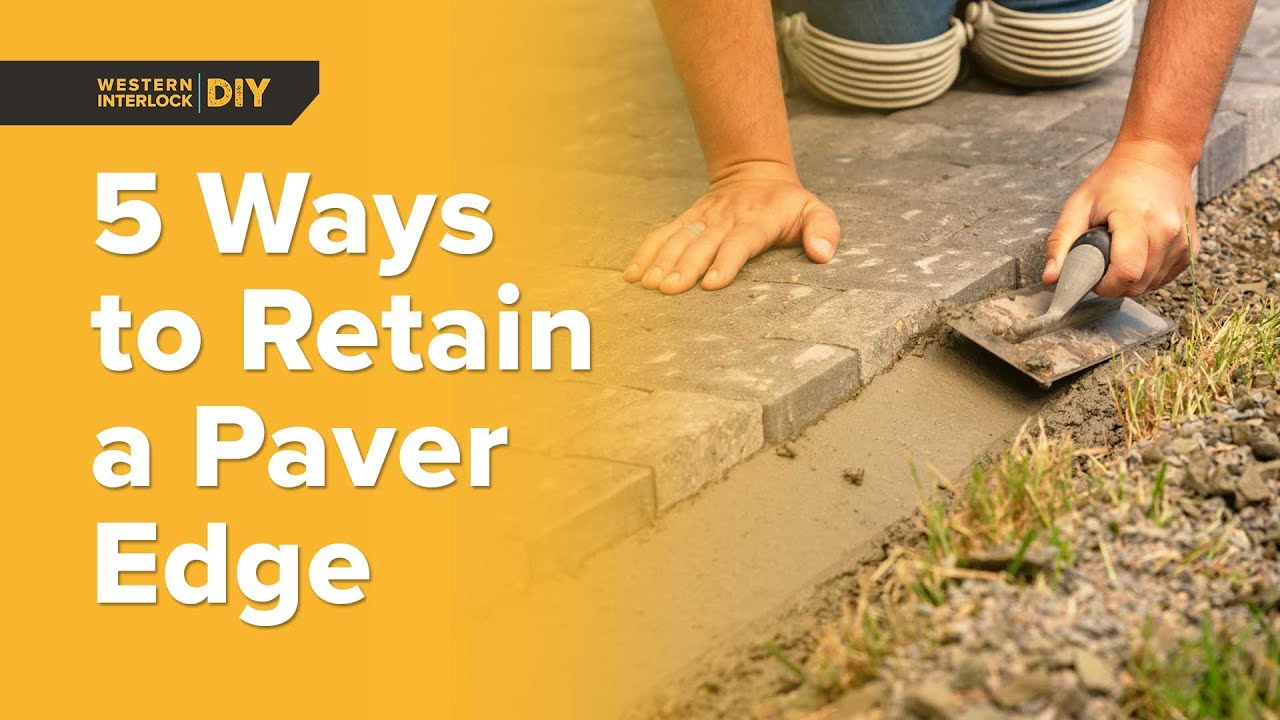
At the road, match the road crown and guarantee the apron transitions without a lip that swimming pools water. At the garage, a limited, straight side reduces turbulence at a trench drain and boosts seal at the door threshold.
Where your water goes matters
It is something to obtain water off a driveway, an additional to keep it from becoming your next-door neighbor's migraine. Lots of districts restrict discarding driveway runoff right into drains without licenses or call for seepage on site. Strategy an electrical outlet:
- A hidden pipeline to daylight on a downhill slope, secured with a riprap sprinkle pad to avoid erosion.
- A shallow swale along a side backyard that mixes right into landscape contours.
- A dry well sized for neighborhood layout tornados if the dirts approve infiltration.
- Connection to a tornado basin where codes allow, with a heartburn preventer if the container additional charges in heavy rain.
- For absorptive systems, an underdrain with an orifice plate to meter release.
Mind roof water. A solitary downspout can discharge hundreds of gallons in a tornado. If it hits your driveway, your pavers should deal with it. I like to pipe downspouts under the driveway base to a grass location or container as opposed to unloading them on the surface.
Details that make or damage the garage threshold
Two persisting failing points show up at the house.
First, a flat apron that invites water toward the garage. Option: maintain at least 1 percent fall away from the structure throughout the very first 5 to 6 feet, and, when the site pitches the upside-down, utilize a direct trench drain in front of the apron. Choose a drain body ranked for vehicle lots and maintain the grate flush with the paver surface.
Second, saturated backfill adjacent to the structure. It likes to clear up and to trap water. Prior to constructing the base here, portable in slim lifts and, if necessary, develop a brief area of stabilized base utilizing a cement-treated layer or a well-compacted open-graded base with an underdrain that ties right into your tornado outlet. This tenses the apron and avoids reflective negotiation lines where vehicles go across the joint between old fill and indigenous ground.
Cold climates and frost heave
Frost deepness is not a suggestion. If you live where the ground freezes, layout to keep the water level and capillary increase listed below the base. Usage free-draining base aggregates and consider upping density to place the base pleasantly above frost-susceptible subgrade. Side restraints should resist side heave. If you see springtime sponginess in yards near the drive, expect subsurface water to evaluate your base. An underdrain along the high side of the driveway can intercept side groundwater and discharge it before it gets to the base.
I also stay clear of fine bed linen sands in locations with hefty deicing salt use. Salts draw dampness and can aggravate freeze-thaw cycling in joints. Washing the surface area in very early spring expands life and maintains joint sands clean.
Construction series with drainage checkpoints
A clean sequence helps prevent dampness traps and concealed weak spots.
- Excavate to design deepness plus 6 to 12 inches beyond final edges for functioning area. Shape the subgrade to match the designated slope so you are not compeling drain only at the surface.
- Proof roll and portable the subgrade. If pumping or rutting appears, maintain with a geotextile and, in poor spots, a few inches of open-graded stone before thick base.
- Place base in 3 to 4 inch lifts, small each lift to target density, and right inclines as you build. Set up underdrain at the reduced side or along foundations, keeping fall to outlet.
- Screed bedding layer, set pavers, portable in phases, and fill joints, confirming that water runs off with a pipe test prior to locking every little thing in.
- Install side restraints, connect drainage elements to outlets, and shield soils around electrical outlets with rock to prevent erosion.
A fast pipe examination is disclosing. I have actually seen installers miss it, only to discover after the initial tornado that a superficial belly in the center holds water. Fifteen minutes with a hose pipe conserves a revisit.
Tying in walkways and landscape
Driveways seldom exist alone. A Walkway Paving Installation that meets the driveway can either aid or harm drainage. Objective to satisfy the driveway at a high point so both surfaces can fall away. If a walk needs to run along your house toward the drive, give it a mild cross drop away from the structure and a thin crushed rock border versus growing beds to take in sprinkle and lower debris on the pavers. Where a walkway satisfies a driveway at a lower elevation, consider a narrow slot drain to throttle sediment and water prior to it reaches the drive.
Planting selections matter too. Thick turf at the lower side of a driveway can reduce and spread overflow. A gravel mulch strip along a fencing line can function as a superficial swale. Stay clear of elevated edging that traps water on the hardscape unless you deliberately route it to a drain.
Maintenance that protects drainage
Pavers are forgiving if you keep pathways open. Move sand into joints annually where website traffic or plowing thins them. Maintain trench drain grates clear of leaves. If you see joint lines going environment-friendly, you likely have shaded, damp places. Improve sun direct exposure preferably or tidy the surface before algae takes hold. For permeable systems, vacuum cleaner sweeping annually or 2 maintains gaps open. A shop vac and persistence can recover a blocked joint area. Do not pressure clean with a limited nozzle near to joints unless you prepare to re-sand immediately.
Watch for early settlement at wheel courses in the very first period. A narrow clinical depression telegraphs that water is focusing listed below or that base compaction was light. Correcting it early, before freeze-thaw cycles magnify the dip, is easier and less expensive. Lift pavers in the influenced zone, add and portable base or bedding as needed, and reset.
Common blunders I still see
Builders and house owners typically rely on the paver to solve grading that the subgrade must handle. Forcing a 2 percent surface incline over a dead-flat or backwards-pitched subgrade leaves a bed linens layer that varies from a murmur to a pillow. The thick areas remain damp and clear up. Forming the subgrade first.
Another is avoiding the separator textile on limited dirts. If your heel leaves a wet print on the subgrade, it wants separation. Or else penalties will certainly move right into your base when a truck parks overnight, and wheel course dips will certainly appear within months.
I also see trench drains set up without a favorable electrical outlet. They look ideal at the garage, yet the body winds up dead-ending into compacted soil. Water caught there softens the adjacent base. Always pipe drains pipes to air or a basin and offer cleanouts.
Finally, over-reliance on polymeric sand to cure much deeper water drainage wrongs. It is an excellent product in its lane, yet it can not quit water that ought to have been steered with incline or a drain.
Budget, permits, and straightforward trade-offs
Not every site requires a complete open-graded absorptive area with underdrains. Numerous prosper with a typical base, clean inclines, and focus to weak dirts. That stated, the dollars you take into drainage details repay. Generally of thumb, on a mid-size property driveway of 600 to 900 square feet, budgeting an added 5 to 15 percent for geotextile, an underdrain line, and an appropriate apron drainpipe is regular when dirts are doubtful or when inclines combat you. It is much less than the cost of a tear-out in year three.
Check neighborhood codes. Some cities require on-site stormwater management for new or increased resistant locations above a threshold. Permeable pavers may get approved for credit scores if built to spec with paperwork of base quantity and underdrain circulation control. If you are adding a trench drainpipe, you may require an authorization to link to a metropolitan tornado lateral. A fast phone call early in design prevents red tags later.
Two short site stories
A sloped seaside lot had a short driveway that pitched correctly to the street, yet every winter months the apron splashed. The culprit was not surface water, it was side groundwater pinned against dense fill at the foundation. We cut a slim trench along the high side, established a perforated underdrain in No. 57 stone wrapped in nonwoven geotextile, and connected it to a curb discharge. The following springtime, the apron stayed flat. The pavers had actually not been the trouble. Trapped water had.
On another project, a woody website with clay subgrade and a gentle driveway loss towards your house left no space for surface water drainage. We mounted a direct drainpipe at the garage, piped it around the house to daytime, and made use of absorptive building for the initial 15 feet to save roof downspout moves that hit the drive throughout tornados. The remainder of the drive utilized a traditional base with a regular 2 percent cross autumn towards a landscape swale. The mix valued each micro-condition. 5 years on, the joints are tidy and there are no dips, despite having periodic distribution trucks.
Bringing everything together
Successful interlocking driveway paving does not rest on an exotic paver or a secret additive. It relies on common, repeatable choices that honor water. Shape the subgrade to relocate water where you require it to go. Select base products that match your soils and climate, and separate fines where they intimidate to migrate. Provide surface water a reliable leave, and provide subsurface water an alleviation course. Mind the edges, the garage threshold, and the apron. When you incorporate a Walkway Paving Installation, safeguard the structure and avoid developing cross-flows that reduce or trap water.
If you get to the end of building and construction and can map every raindrop's journey off and with the system in your mind, the rest of the driveway's life has a tendency to go your way. That is water drainage doing its quiet, essential work.